Explore the Types of HVAC Services: Find the Perfect Fit for Your Home
Exploring the various types of HVAC services is crucial for homeowners looking for the optimal solutions for their homes. From routine maintenance to custom setup, understanding these choices can greatly impact comfort and efficiency. Determining when repairs or replacements are necessary also plays a critical role. As property owners navigate these choices, specific important elements will emerge, leading to further thoughts for ideal indoor climate management.
Understanding Fundamental HVAC Services
Routine upkeep offerings such as evaluations, cleaning, and filter changes ensure peak performance and prolong the life span of HVAC systems. Homeowners should also be knowledgeable about installation services that provide energy-efficient equipment tailored to their particular requirements. Additionally, duct cleaning and sealing are important for improving air circulation and lowering utility expenses. Knowledge of these basic services empowers homeowners to make informed decisions, assuring a healthy and comfortable indoor atmosphere throughout the year. Comprehending these aspects is the first step in properly handling one's HVAC needs.
Spotting Symptoms for Repairs or Replacing
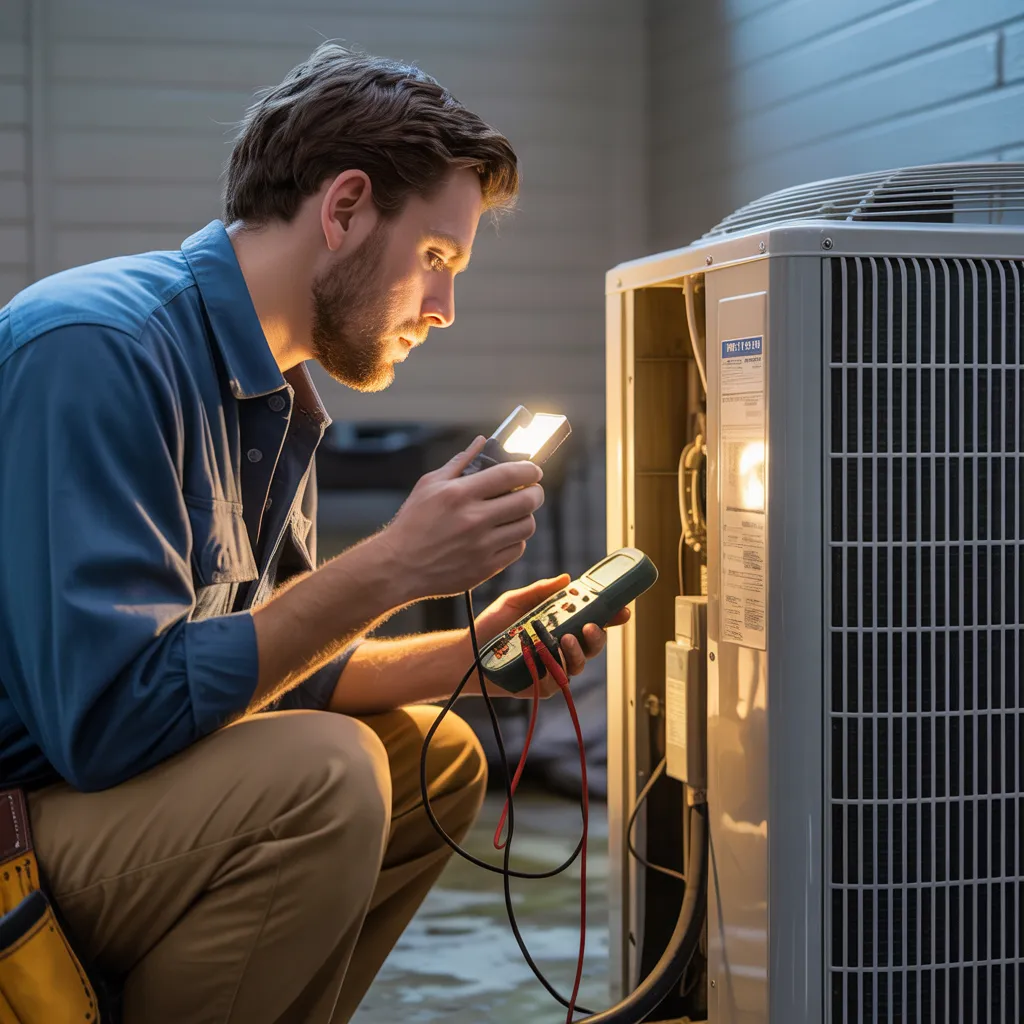
Homeowners should remain aware to unusual noises and smells emanating from their HVAC systems, as these can suggest potential problems. Additionally, a noticeable increase in energy bills may point to inefficiencies that require repairs or even a replacement. Identifying these warning signals promptly can help prevent more significant deterioration and costly repairs.
Strange Sounds and Smells
Homeowners should address these issues quickly to avoid further deterioration. Overlooking such indicators can result in more extensive repairs or even complete equipment breakdown. Routine maintenance can help detect and reduce these problems early, guaranteeing that the HVAC system runs efficiently and safely. Awareness of these indicators is essential for maintaining a pleasant home environment.
Higher Energy Bills
As energy bills increase unexpectedly, it can signal hidden issues with the HVAC system that require prompt attention. Homeowners should track their regular energy costs carefully, as notable increases may indicate inefficiencies. Common causes include clogged filters, refrigerant leaks, or malfunctioning components that make the system to work more intensely. Additionally, outdated units may struggle to maintain efficiency, leading to increased operational costs. Regular maintenance checks can help identify these problems early, potentially preventing costly repairs or replacements. If a spike in energy bills is observed alongside other symptoms, such as inadequate heating or cooling, it may be time to consult a professional. Timely action can lead to improved energy efficiency and reduced monthly expenses.
How to Choose the Perfect HVAC System?
Finding the perfect HVAC system might feel daunting, but grasping essential considerations can simplify the selection process. First, property owners should assess their particular temperature control requirements based on the square footage and regional weather patterns. This guarantees the system is appropriately sized for optimal performance and comfort.
Subsequently, analyzing energy efficiency ratings, such as SEER and AFUE, is vital. Superior ratings often result in reduced operating costs over time. Additionally, taking into account the system type—central air, ductless mini-splits, or heat pumps—can influence both maintenance and installation.
Financial restrictions should also matter; while starting costs are important, potential extended financial benefits should not be brushed aside. Homeowners should explore reputable brands and seek knowledgeable advice to validate proper installation. Ultimately, a well-informed decision will lead to superior comfort and reduced energy expenses in the approaching years.
Best Energy-Efficient HVAC Modifications
Many energy-saving HVAC upgrades can significantly improve home coziness while lowering utility bills. One of the most effective upgrades is the installation of a smart thermostat, enabling homeowners to customize heating and cooling schedules based on their daily routines. Another valuable option is premium air filters, which enhance indoor air quality and system performance by trapping more dust and allergens.
Upgrading to a adjustable-speed blower motor also boosts energy effectiveness, providing exact air circulation and lowering energy expenditure. Furthermore, closing air ducts and boosting insulation can eliminate costly energy waste, making sure that conditioned air reaches its desired spaces.
In the end, purchasing ENERGY STAR-rated appliances ensures superior performance and lower energy use, making them a smart choice for environmentally aware homeowners. Overall, these improvements not only support a more eco-friendly world but also lead to substantial ongoing savings on energy bills.
Specialized HVAC Services: Duct Cleaning and System Inspections
Duct cleaning and inspections are important in maintaining ideal HVAC performance. Regular cleaning not only enhances the air you breathe indoors but also boosts overall system performance. Common duct issues can lead to considerable energy waste and health problems, making preventative inspections vital for homeowners.
Importance of Duct Cleaning
While many property owners may ignore the significance of routine air duct maintenance, it functions as a vital component in preserving a healthy indoor setting. Over time, particles, allergens, and pollutants collect in air ducts, possibly impacting air quality and lung function. Clean ducts boost HVAC performance, which can reduce energy costs and prolong system life expectancy. Additionally, neglected ducts can contain mold and pests, creating additional safety concerns. Routine maintenance not only reduces these issues but also fosters a more pleasant living space. Homeowners should explore expert air duct cleaning options to confirm thorough and effective elimination of contaminants. By focusing on duct care, they can establish a more hygienic, secure atmosphere for their families, ultimately enhancing overall well-being.
Importance of Methodical Inspections
Conducting regular reviews of HVAC systems delivers important information about their performance and lifespan. These assessments help spot potential issues before they worsen, ensuring optimal operation and preventing costly repairs. By spotting wear and tear early, homeowners ensure top system efficiency, commonly leading to decreased energy bills. In addition, regular inspections enhance indoor air quality by ensuring that components are clean and functioning correctly. They support the home's overall comfort by maintaining steady heating and cooling. Moreover, many manufacturers require routine inspections to copyright warranties, making this practice a financially prudent investment. In summary, regular inspections are vital for maintaining the health and efficiency of HVAC systems.
Regular Duct Malfunctions
HVAC units rely largely on the state of their ductwork, which can often run into different issues that compromise performance and air quality. Common problems include leaks, which allow conditioned air to associated resource escape, cutting efficiency and increasing energy costs. Dust and debris accumulation can restrict airflow, leading to uneven heating or cooling throughout a home. Furthermore, incorrect insulation can cause temperature imbalances, forcing the system to work harder. Ducts may also get mold growth, posing health risks to occupants. Regular inspections and professional cleaning are necessary to identify and fix these issues, ensuring top system performance and improved indoor air quality. Addressing duct problems swiftly can enhance comfort and extend the lifespan of HVAC systems.
Selecting the Best HVAC Contractor
How do you find the best HVAC service provider for your home? First, it is necessary to research local companies, concentrating on their reputation and customer reviews. A reliable provider should have a strong track record of satisfied clients and positive feedback. Next, confirming proper licensing and insurance is necessary; this guarantees that the technicians are qualified and protected against potential liabilities.
In addition, acquiring several quotes can assist homeowners gauge costs and services provided. Transparency in costs and detailed contracts are signs of a trustworthy provider.
Ultimately, assessing the breadth of services rendered—including installation, upkeep, and emergency repairs—can also determine the decision. In conclusion, a composite of prestige, qualifications, cost, and service options will inform homeowners in opting for the superior HVAC service provider tailored to their distinct requirements.
Regularly Requested Questions
How Often Should I Schedule HVAC Maintenance Services?
Normally, HVAC maintenance services should be set up at least once a year. However, twice-yearly evaluations, especially before summer and winter, can increase system efficiency and service life, guaranteeing peak condition throughout the seasons.
What Benefits Does a Automated Thermostat Provide?
A smart temperature controller improves power conservation, allowing homeowners to establish specific temperature schedules for heating and cooling. This results in reduced energy bills, enhanced convenience, and decreased wear on HVAC systems, promoting longer equipment lifespan and optimal efficiency.
How can I determine if my system is energy-efficient?
To determine if a system is efficient, one should inspect its SEER rating, analyze energy bills, and evaluate maintenance history. Additionally, analyzing performance with newer models can deliver insight into potential gains and financial benefits.
Is it viable install an HVAC unit on your own?
Installing an HVAC system yourself is generally not recommended due to complexities and code requirements. Expert setup ensures safety, efficiency, and compliance, ultimately providing better enduring dependability and operational excellence for home climate control requirements.
Which Authorizations Are Necessary for HVAC Installation?
Local regulations typically require permits for HVAC placement, including power, water, and operational documentation. Homeowners should speak with local building authorities to verify compliance with codes and avoid potential fines or difficulties in the installation process.